Carmine Red
Carmine-Based Natural Red Food Color (E120): Natural, Functional, and Export-Ready
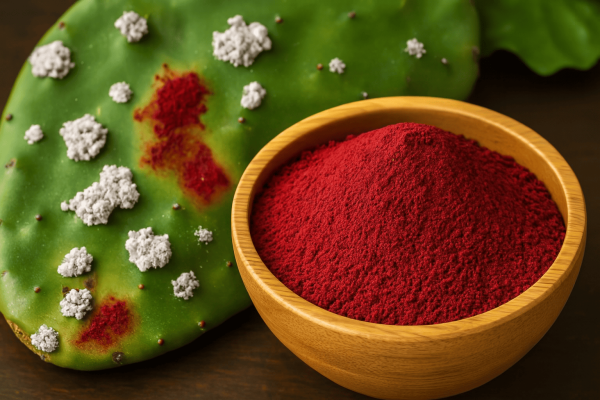
Carmine red natural food color is a natural red colorant derived from the carminic acid pigment found in female cochineal insects (Dactylopius coccus). For centuries, cochineal extracts have been used to provide vibrant red hues in foods, beverages, and cosmetics. Today, carmine red natural food color remains one of the most effective natural red food colors, offering manufacturers a clean-label, high-tinting alternative to synthetic red dyes.
Applications of Natural Carmine Food Color Across the Food Industry
The primary coloring component of carmine is carminic acid, which gives its characteristic deep red color. Carmine is available in two main forms:
- Water-soluble carmine: suitable for beverages, dairy products, and other aqueous formulations.
- Alumina-based carmine lakes: ideal for baked goods, confectionery, and fat-containing products.
Beyond pigmentation, carmine exhibits strong stability in acidic environments, making it a reliable option for fruit-based products and beverages. Its natural origin also appeals to consumers seeking minimally processed, clean-label ingredients.
Health and Functional Benefits of Natural Carmine Food Color
Scientific studies show that carmine is safe for consumption when used within regulatory limits. While primarily used for color, carmine can contribute indirectly to product quality by:
- Maintaining visual appeal, which is important for consumer perception and acceptance.
- Providing high tinting strength, reducing the required quantity of colorant in formulations.
- Ensuring stable color retention in acidic foods and beverages, such as fruit juices and jams.
Carmine’s functionality is especially valuable in bakery, confectionery, dairy, and beverage products, where maintaining consistent, vibrant red shades is critical.
Applications of Natural Carmine Food Color Across the Food Industry
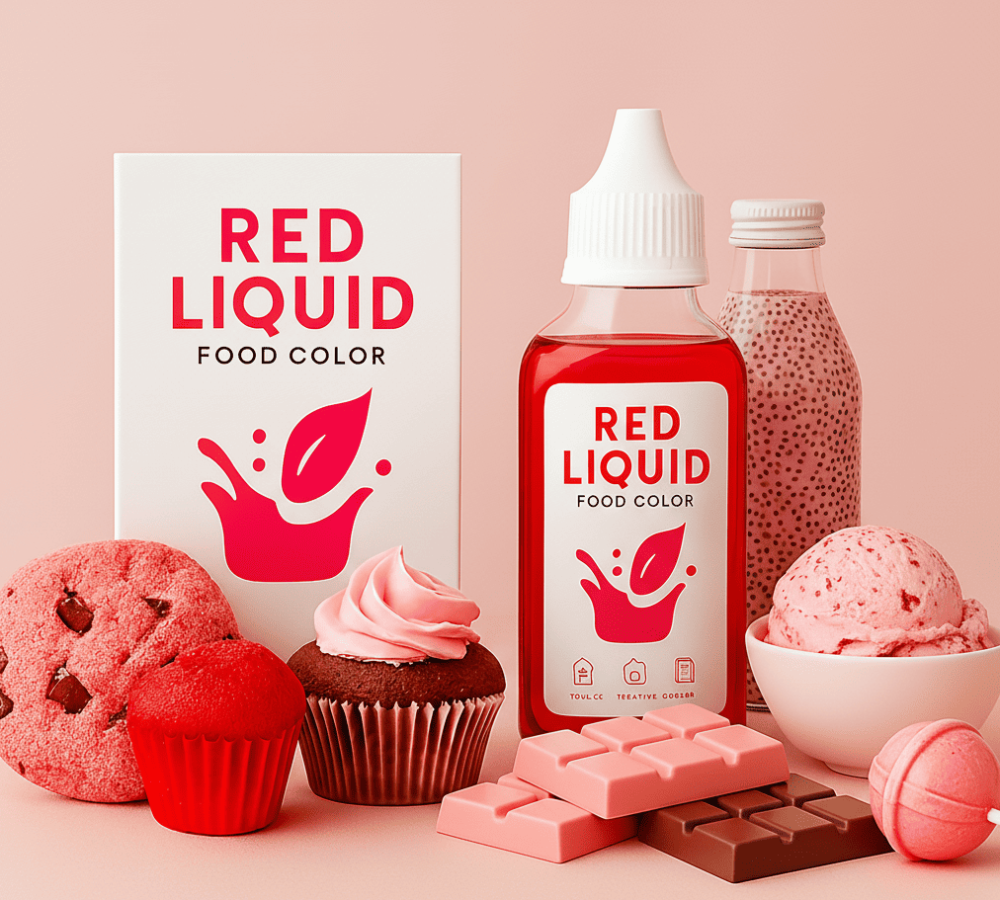
Carmine’s versatility makes it a preferred choice for a wide range of food applications. Its stability under heat, light, and acidic conditions allows it to perform reliably across different processing environments. Common applications include:
- Dairy products: yogurts, ice creams, flavored milk, and dessert toppings
- Confectionery: gummies, hard candies, and chocolates
- Bakery: cakes, icings, fillings, and pastry decorations
- Beverages: fruit juices, energy drinks, and soft drinks
- Meat products: sausages and processed meats
- Cosmetics and pharmaceuticals: lipsticks, blushes, and coated capsules
Carmine offers excellent color uniformity, a clean taste profile, and compatibility with a range of pH and formulation systems.
Regulatory and Technical Information
Carmine is approved in many countries as a natural color additive under the code E120. It complies with food-grade standards and is considered safe when applied within recommended dosage limits.
| Property | Description |
|---|---|
| Active pigment | Carminic acid |
| Solubility | Water-soluble / Lake (alumina-based) |
| Recommended dosage | 50–300 mg/kg (depending on product and desired shade) |
| Heat stability | Good (stable up to 150–160 °C) |
| Light stability | Stable under normal storage; protect from direct light |
| Shelf life | 12–24 months (store in cool, dry, dark conditions) |
| Packaging | Food-grade drums or HDPE containers, export-ready |
Comparison with Synthetic Colors
Unlike synthetic red colorants, such as Allura Red AC or Red 40, carmine offers a natural and sustainable alternative. Modern consumers increasingly demand clean-label, plant/animal-based ingredients free from artificial dyes. Using carmine enables manufacturers to position products as health-conscious and environmentally responsible, without compromising on color quality or stability.
Sustainability and Clean-Label Advantage
While carmine is insect-derived, its production is tightly regulated, and extraction processes are designed to maximize yield and minimize environmental impact. Carmine aligns with clean-label principles by providing:
- Natural origin: avoiding petrochemical inputs
- High efficiency: small quantities produce strong coloration, reducing waste
- Export readiness: fully documented and compliant with international food safety standards
Export and Supply
Carmine colorants are available in bulk quantities suitable for international trade. Exporters provide multiple packaging sizes and technical support for shade matching, formulation optimization, and regulatory compliance. Samples and documentation are typically supplied upon request to facilitate product registration and formulation testing.